Source bionic multi section fish keychain for Gifts, Promotions, and Collectibles
Compare 30 listings for the bionic multi section fish keychain from verified suppliers in China. Buyers can evaluate customization options, material types like plastic and PVC, and pricing details for promotional gifts and collectibles.
Key considerations
Products List


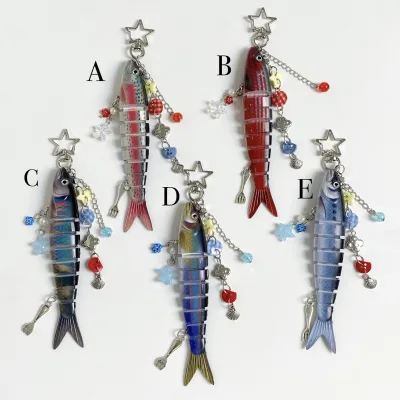
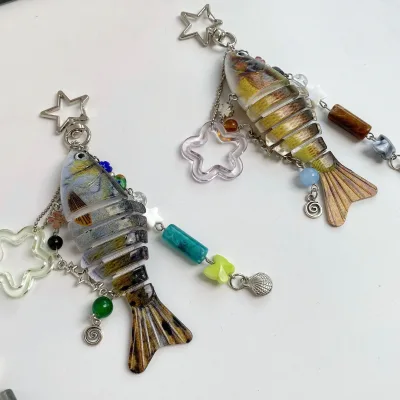


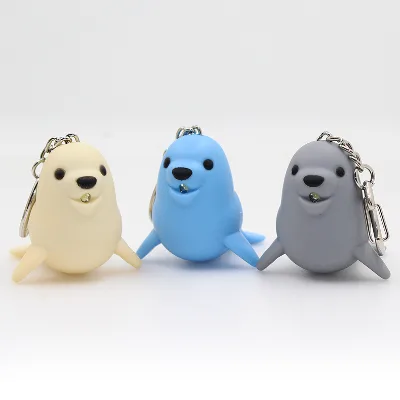


Comprehensive Sourcing Guide
Bionic Multi Section Fish Keychain Sourcing Guide
Sourcing bionic multi-section fish keychains requires a nuanced understanding of the intersection between soft-touch materials, mechanical articulation, and promotional utility. These items are typically categorized under custom plush or soft PVC promotional gifts, where the "bionic" descriptor refers to the realistic, segmented design that allows for flexible movement. Buyers must distinguish between rigid die-cast metal components and the primary soft materials, such as plush fabric or PVC, which define the tactile experience and durability of the product. The multi-section construction adds complexity to the manufacturing process, requiring precise assembly to ensure that the joints remain functional without compromising the structural integrity of the fish shape.
The procurement landscape for these items is characterized by a high degree of customization, with suppliers offering OEM and ODM services to accommodate specific brand requirements. This includes the ability to customize logos, colors, and even the specific species of fish depicted, ranging from cartoonish representations to more realistic bionic designs. The target audience for these products often includes corporate clients seeking unique promotional gifts, as well as retailers looking for novelty items that appeal to children and collectors alike. Understanding the specific material composition and assembly method is crucial for determining the final product's quality, safety, and marketability.
Product Scope and Observed Listing Signals
The observed market signals indicate a diverse range of materials and styles available for bionic fish keychains, with plastic and PVC being the most common base materials. Listings frequently highlight features such as "cute" styles, "multicolor" options, and "eco-friendly" claims, suggesting a strong emphasis on aesthetic appeal and environmental consciousness in the design phase. The shape is consistently described as animal-based, with specific models referencing sea animals or lobster crabs, which aligns with the bionic fish theme. Buyers should note that while some products are described as "hand-made," others may involve die-casting or automated molding processes, which significantly impacts the consistency and cost of production.
Usage scenarios for these keychains extend beyond simple accessory functions, with many suppliers positioning them as promotion gifts, coin holders, or photo frame attachments. The presence of certifications such as CE, En71, ASTM, and CPSIA in the observed data suggests that a significant portion of the market targets children or items intended for close personal contact. However, buyers must verify that the specific "bionic" model they select meets these safety standards, as not all listings may carry the same level of certification. The customization options, including logo printing and custom packaging, are widely available, allowing businesses to create branded merchandise that stands out in competitive markets.
Technical Specifications to Verify
When evaluating technical specifications, the primary focus should be on the material composition and the mechanism of the multi-section articulation. Buyers need to confirm whether the fish segments are connected via flexible plastic hinges, fabric stitching, or metal pins, as each method offers different levels of durability and flexibility. The standard size observed in the market ranges from 2-10cm, which is suitable for keychain applications, but custom sizes are often available. It is essential to verify the weight of the product, as heavier materials like stainless steel or dense PVC may affect the usability of the keychain, especially if it is intended for attachment to lightweight bags or clothing.
Surface treatment and finishing are also critical technical aspects that influence the final product's quality. Polished surfaces are common for metal components, while soft-touch coatings may be applied to PVC or plush materials to enhance the tactile experience. Buyers should request samples to assess the smoothness of the edges and the stability of the joints, ensuring that the fish segments do not detach easily during normal use. Additionally, the packaging method, whether it be OPP bags, polybags, or boxed sets, should be considered in terms of both protection during transit and presentation to the end consumer.
Compliance and Safety Documentation
Compliance with international safety standards is non-negotiable for bionic fish keychains, particularly if they are marketed towards children or used as promotional items in regions with strict regulatory environments. Certifications such as ASTM, En71, and CPSIA are frequently cited in the market, indicating that the products have undergone testing for physical and mechanical properties, flammability, and chemical content. Buyers must ensure that the supplier can provide valid test reports from accredited laboratories, as these documents are essential for customs clearance and retail compliance in many countries. The presence of BSCI and ISO9001 certifications further indicates that the supplier adheres to ethical labor practices and quality management systems, which adds an additional layer of assurance for the buyer.
It is important to verify that the specific materials used in the bionic fish keychain, such as PVC or plush fabrics, are free from harmful substances like phthalates or lead. The "eco-friendly" claims made by some suppliers should be backed by verifiable data, such as the use of recycled materials or non-toxic dyes. Buyers should also check for REACH compliance, which regulates the use of chemical substances in the European Union, to ensure that the product can be sold in EU markets without legal repercussions. Clear documentation of these compliance measures is crucial for mitigating risk and maintaining brand reputation.
Cost Drivers and Commercial Terms
The cost of bionic multi-section fish keychains is influenced by several factors, including the complexity of the multi-segment design, the choice of materials, and the level of customization required. Products with intricate articulation mechanisms or those made from premium materials like stainless steel or high-quality plush will naturally command higher prices. The observed MOQ range of 10-1440 units suggests that suppliers are flexible, catering to both small-scale custom orders and large-volume promotional campaigns. Buyers should negotiate based on the total order quantity, as larger orders often result in lower per-unit costs due to economies of scale in production and packaging.
Commercial terms such as sample time, production time, and payment terms are critical components of the procurement process. Sample times typically range from 3-7 working days, allowing buyers to evaluate the product quality before committing to a large order. Production times are estimated at around 20 days, but this can vary depending on the order quantity and the complexity of the customization. Buyers should clarify these timelines during the negotiation phase to ensure that the products will be delivered in time for their intended promotional events or retail seasons. Additionally, understanding the packing specifications, such as 30-40 pieces per carton, is essential for calculating shipping costs and storage requirements.
Supplier Qualification and Quality Control
Supplier qualification is a vital step in ensuring the reliability and consistency of bionic fish keychain orders. Buyers should prioritize suppliers who have demonstrated experience in producing custom promotional gifts and who possess the necessary certifications, such as ISO9001 and BSCI. These certifications indicate a commitment to quality management and ethical manufacturing practices, which are essential for maintaining a stable supply chain. It is also advisable to review the supplier's production capacity and lead times to ensure that they can meet the buyer's volume and timing requirements.
Quality control measures should be established early in the procurement process to minimize the risk of defects. Buyers should request detailed quality control plans from suppliers, including inspection points for material sourcing, production assembly, and final packaging. Random sampling during production and pre-shipment inspections can help identify and rectify issues before the goods are shipped. Clear communication regarding quality standards, including acceptable tolerances for color variations and joint flexibility, is essential to ensure that the final product meets the buyer's expectations.
Long-Term Procurement Checks
Long-term procurement success depends on establishing a robust relationship with suppliers and continuously monitoring performance. Buyers should conduct regular audits of their suppliers to ensure ongoing compliance with safety standards and ethical labor practices. This includes verifying that the certifications remain valid and that the supplier continues to adhere to the agreed-upon quality standards. Building a diversified supplier base can also mitigate risks associated with supply chain disruptions, ensuring that the buyer has alternative sources for bionic fish keychains if needed.
Feedback loops with end-users and internal stakeholders should be established to gather insights on product performance and customer satisfaction. This information can be used to refine future orders, adjusting designs, materials, or packaging based on market trends and customer preferences. By maintaining a proactive approach to supplier management and quality assurance, buyers can ensure a steady supply of high-quality bionic fish keychains that meet their promotional and retail objectives. Continuous improvement and adaptation to market changes are key to sustaining long-term procurement success in this dynamic category.
FAQs
Can I customize the logo on the keychain?
Yes, customers can provide their own logo for customization. The product supports OEM and ODM services with a sample time of 3-7 working days. Production typically takes about 20 days depending on the order quantity.
What certifications does the product hold?
The product holds CE, En71, ASTM, Cpsia, and Reach certifications. It also complies with BSCI and ISO9001 standards. These ensure the item meets international safety and quality requirements for promotional gifts.
What is the minimum order quantity required?
The minimum order quantity ranges from 10 to 1440 units depending on the specific product model. Some items like the plush keychain have an MOQ of 100. Buyers should check the specific model requirements before ordering.
How long does production take for an order?
Production time is about 20 days or according to the order quantity. Sample preparation takes 3-7 working days. The exact timeline may vary based on the customization level and total volume requested by the buyer.
Where is the product manufactured?
The product originates from Zhejiang, China. Some listings also indicate a general origin of China. Buyers can expect manufacturing to take place in these regions with standard export packaging.
What materials are used for the keychain?
Materials include plastic, PVC, and stainless steel depending on the specific design. Some versions are hand-made while others use die-casting processes. The material choice affects the weight and texture of the final item.
Is the product suitable for promotional gifts?
Yes, the product is explicitly designed for promotion gifts, coin holders, and bottle openers. It features an eco-friendly design and comes in multicolor options. The cute animal shapes make it ideal for various marketing campaigns.